
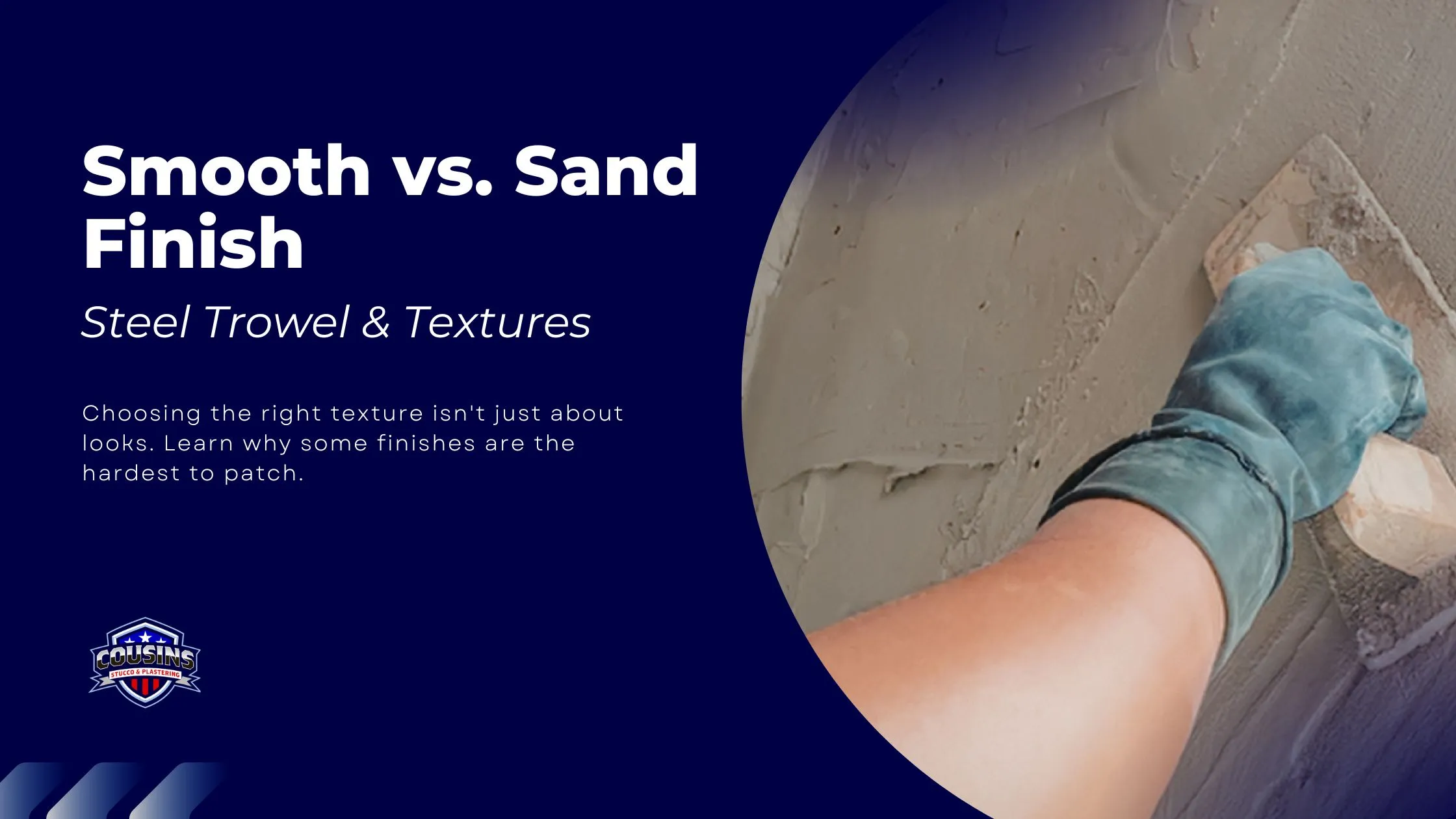
A Homeowner’s Guide to Curb Appeal and Climate Resilience
When homeowners choose a stucco finish, they often focus on a photo they saw on Pinterest. But in the stucco world, texture equals performance. The finish you choose determines how your home handles settling, how often you’ll need to pressure wash, and how much you’ll spend on future repairs.
If you are planning a new installation or a “re-dash” in a variable climate, understanding the technical differences between Smooth, Sand, and Dash is essential. Here is the expert breakdown of how these finishes stack up in the real world.
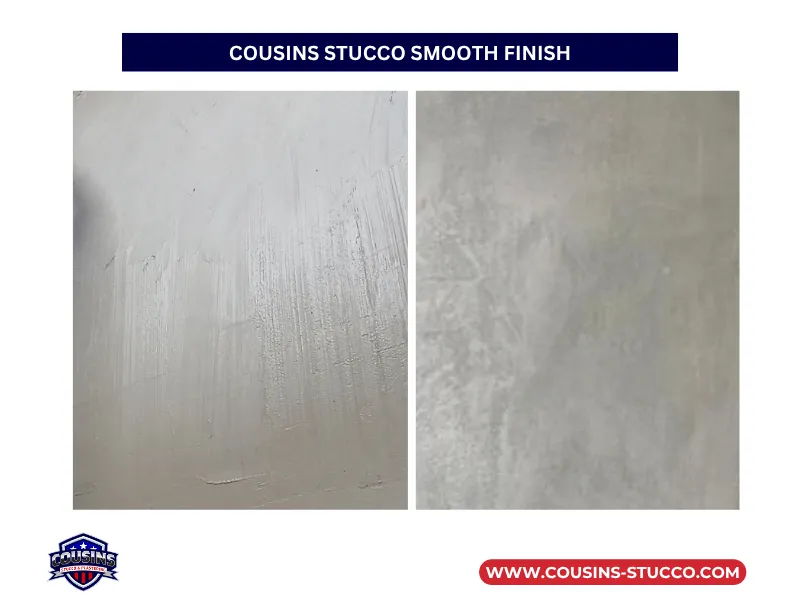
1. Steel Trowel/ Smooth Finish: The Modern Luxury Standard
Often referred to as a “Santa Barbara” or “California” finish, smooth stucco offers a sleek, non-textured surface. It is the go-to for contemporary, minimalist, and high-end Mediterranean architecture.
- The Aesthetic: High-end, polished, and architecturally “sharp.”
- The Technical Reality: Smooth stucco is the most difficult to apply. It requires a master craftsman because there is no texture to hide trowel marks or slight variations in the wall’s “flatness.”
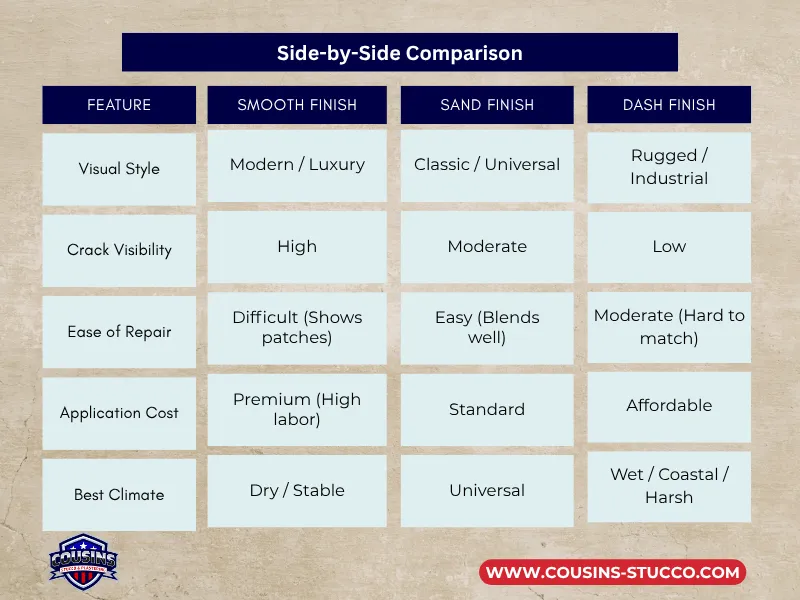
- Maintenance Note: Because it is flat, hairline cracks (spider cracking) are highly visible. It also shows dirt and “weeping” stains from windows more than any other finish.
- Best For: Homeowners who prioritize a modern aesthetic and have a budget for high-quality elastomeric paint to help bridge the inevitable micro-cracks.
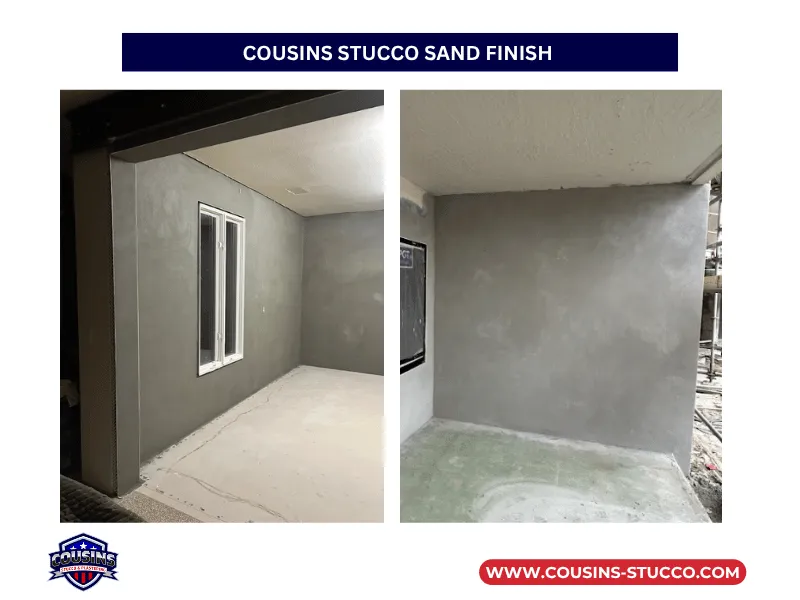
2. Sand Finish: The Versatile Crowd-Pleaser
Also known as a “Float” finish, sand stucco is the most common residential choice. By using different grades of sand (fine, medium, or coarse) and a rubber float tool, contractors create a consistent, grain-like texture.
- The Aesthetic: Classic, soft, and sophisticated. It looks like a heavy parchment paper or fine-grit sandpaper.
- The Technical Reality: It is the “middle ground” of durability. The sand grains help break up the surface tension, making it more resistant to visible cracking than smooth finishes.
- Maintenance Note: While it hides minor imperfections well, be aware that sand finish is arguably the hardest texture to patch. Because the sand grains create a very specific, uniform “grain,” matching that exact look during a repair is incredibly difficult. Most patches will remain visible, often requiring a larger section to be feathered out or entirely redone to look seamless.
- Best For: Most suburban homes. It provides a clean look without the extreme maintenance or “cracking anxiety” of smooth stucco.
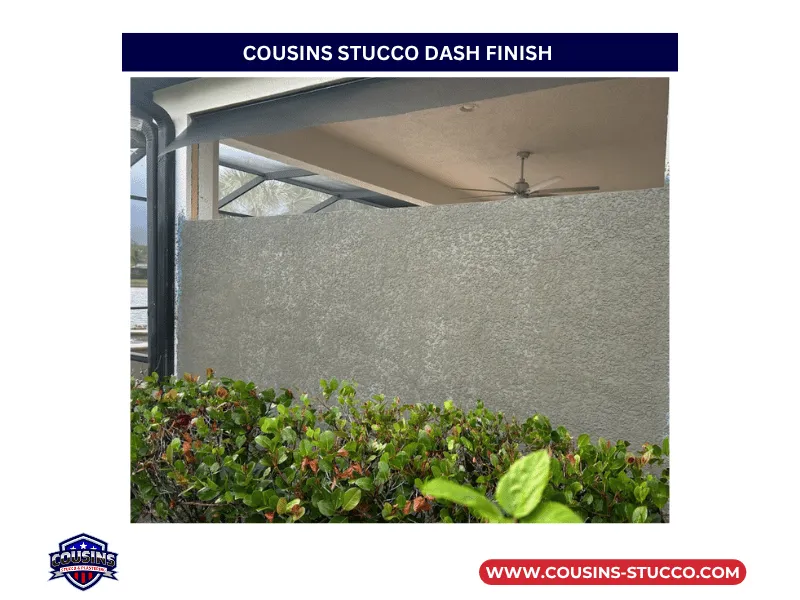
3. Dash Finish: The High-Durability Workhorse
Dash finish is created by literally “dashing” (spraying or throwing) the stucco onto the wall. This creates a rough, pebbled texture that can range from fine to heavy.
- The Aesthetic: Rugged, rustic, and heavily textured.
- The Technical Reality: This is the most durable finish. The heavy peaks and valleys of the texture hide large structural movements and major surface imperfections.
- Maintenance Note: Extremely low maintenance. It hides dirt, salt spray, and impact damage exceptionally well. However, it is the hardest to clean because the “nooks and crannies” can trap dust over time.
- Best For: Commercial buildings, rental properties, or homes in harsh climates (coastal or high-wind areas) where durability is the #1 priority.
Pro Tip: Consider Your “Vapor Drive” and Climate
If you live in a high-humidity area (like Florida or the Gulf Coast), a Dash or Sand finish is often superior because the increased surface area allows the building to “breathe” and shed wind-driven rain more effectively.
In dry, desert climates (like Arizona), Smooth finishes thrive because there is less risk of organic growth (mold/mildew) sitting in the texture of the walls.
Final Decision: How to Choose?
- Look at your neighbors: Does your HOA require a specific texture to match the “streetscape”?
- Check your foundation: If your home is new and still “settling,” avoid Smooth stucco; you will see every settlement crack within six months.
- Touch the sample: Always ask your contractor for a 2′ x 2′ sample board of the texture before they start the job. Lighting looks different on a vertical wall than it does on a small swatch.
Ready to transform your home’s exterior? Our team specializes in precision application for all three finishes. Contact us today for a free texture consultation.