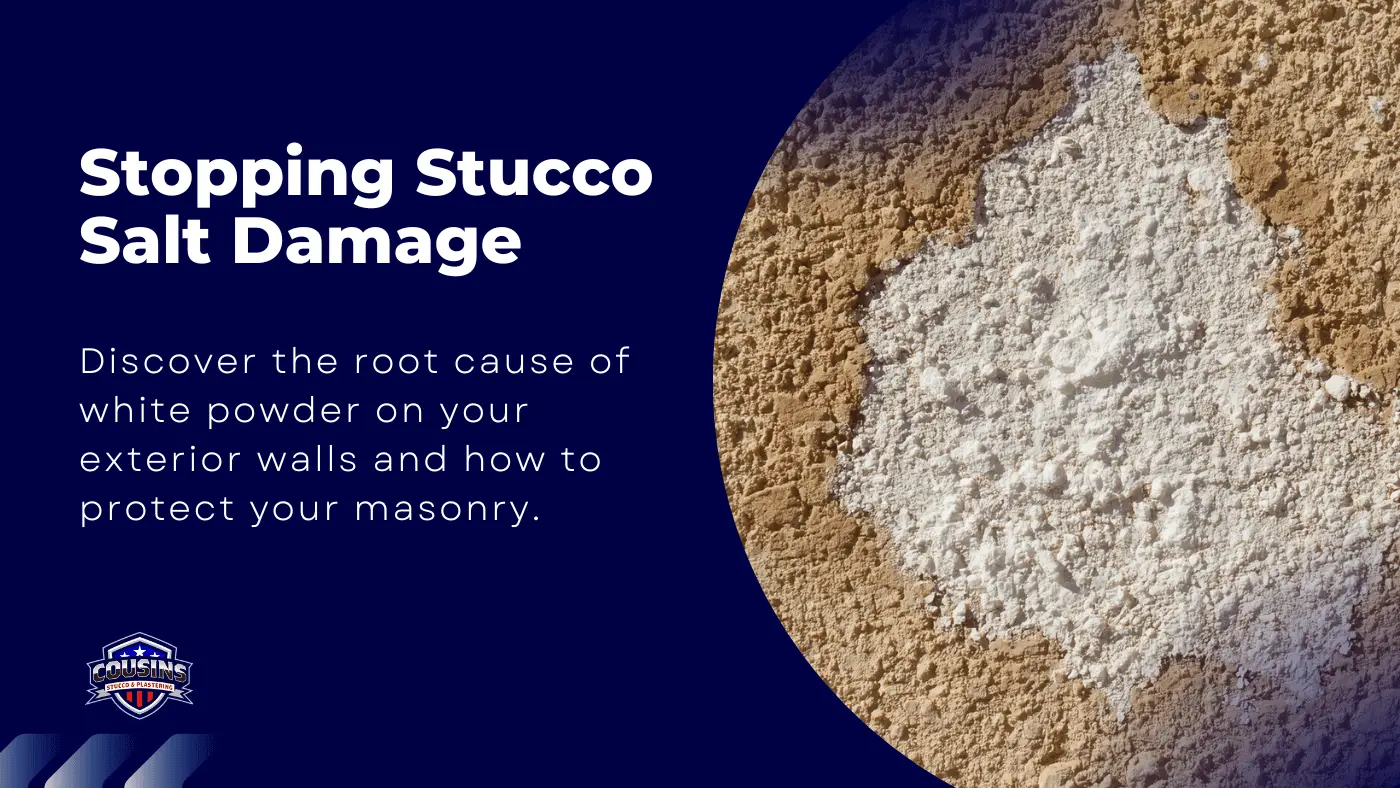
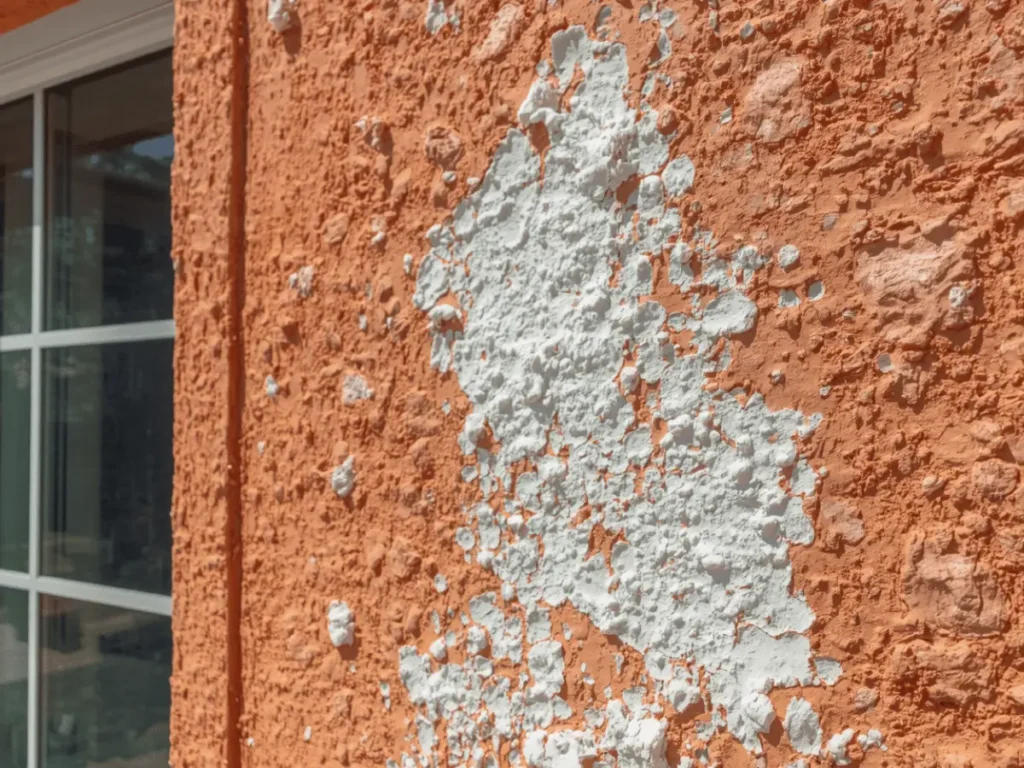
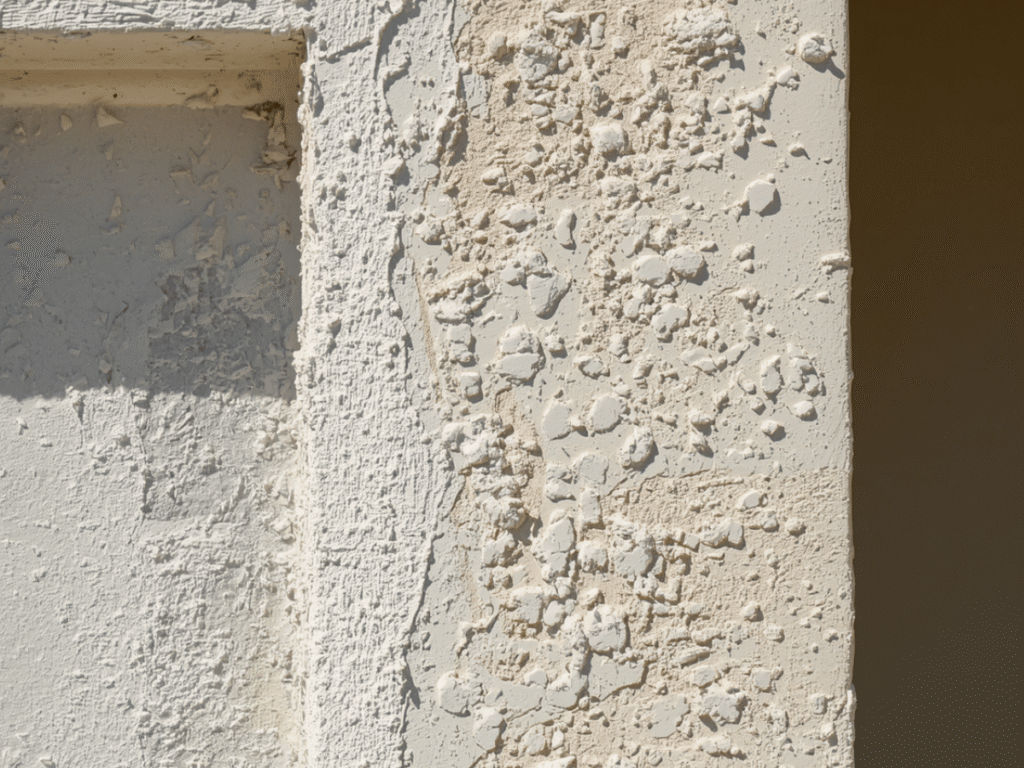
A powdery white residue on a commercial stucco exterior is more than a cosmetic blemish. This chalky substance is known as efflorescence. It is a visual warning sign that moisture is moving through your wall assembly.
For property owners focused on building longevity, understanding efflorescence is critical. It helps maintain structural endurance against Southwest Florida salt air, humidity, and lifecycle ROI. Ignoring this white powder can lead to hidden substrate damage and costly remediation.
The Science Behind the White Powder
Efflorescence occurs when water dissolves mineral salts inside the stucco, concrete block, or mortar substrate. As heat and humidity draw moisture to the surface, the water evaporates. This leaves behind a crystalline salt deposit.
In coastal areas, Southwest Florida salt air accelerates this process. The atmosphere carries airborne chlorides that penetrate porous exterior finishes, compounding the internal salt content.
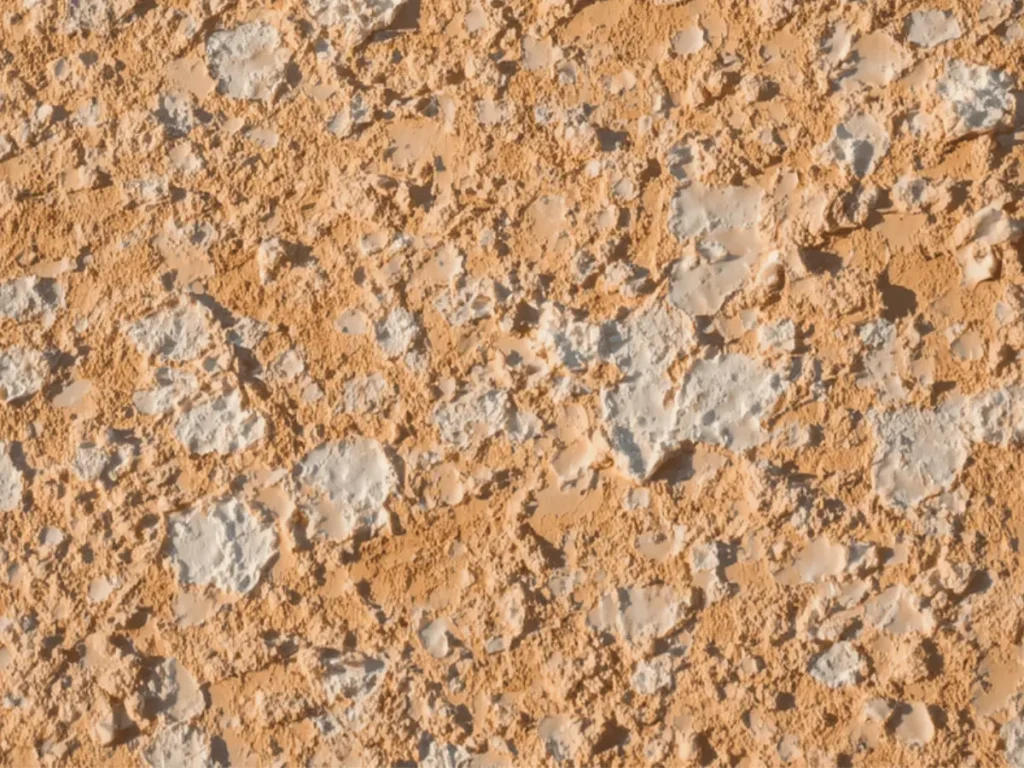
If left unchecked, these salt crystals can grow inside the pores of the stucco—a destructive process called subflorescence. This internal pressure causes the stucco to blister, crack, and eventually spall or break away from the wall.
Identifying the Source of Moisture Ingress
Efflorescence cannot occur without water. To stop the white powder from returning, you must locate and seal the point of water entry. Common entry points include:
- Hairline Fractures: Minor settling cracks that pull rainwater deep into the wall system via capillary action.
- Flashing Failures: Damaged or improperly sealed transitions around windows, doors, and rooflines.
- Lawn Sprinklers: Broken irrigation heads that constantly spray reclaimed, mineral-heavy water directly onto the lower cladding.
Proactive Mitigation and Precision Engineering
Resolving efflorescence requires professional diagnostic techniques and strict adherence to proper material standards.
Specialized Substrate Protocols
Remediation and prevention strategies depend heavily on the underlying wall assembly:
- Concrete Block Substrates (CMU): Modern standards forbid putting synthetic finishes directly onto concrete block. For CMU substrates, installers must apply a traditional stucco system first. Once properly cured to neutralize internal alkalis, an advanced topcoat can be safely applied.
- The STO Finish Option: Applying a premium STO finish over traditional stucco systems is an excellent design choice to lock out moisture and prevent efflorescence. However, property owners must note that this high-end aesthetic coating is not warrantied by the manufacturer when used over traditional stucco mixes.
- The Combustibles Ban: To prevent catastrophic structural rot, synthetic multi-layered cladding systems cannot legally be applied to any Type 5 combustible substrate. Applications over wood-frame, plywood, or OSB are strictly forbidden.
High-Performance Trim and Drainage Assemblies
Preventing water accumulation requires precision-engineered accessories and drainage pathways.
Coastal commercial properties must rely exclusively on high-performance vinyl accessories. Components like vinyl casing beads, termination beads, expansion joints, and control joints will never rust or pit when exposed to salt air.
To prevent water from pooling at the base of a stucco wall, specialized trim creates a clean termination line or casing bead that sheds water away from the foundation.
For advanced synthetic systems, water must be managed using a dedicated water-resistive drainage plane over DensGlass sheathing. This system utilizes an integrated drainage track, specialized drainage systems, and engineered internal weeps to ensure subsurface moisture drains out instantly before it can dissolve salts and form efflorescence.
Frequently Asked Questions
Why are vinyl accessories preferred over metal to prevent stucco staining?
Metal and zinc accessories rust rapidly in coastal areas, leaving orange stains and destroying the surrounding cladding. Vinyl accessories—including casing beads and reveals—are entirely immune to salt air, ensuring clean termination lines and zero rust degradation.
Can efflorescence form if EIFS is installed over wood-frame walls?
EIFS cannot legally be applied over Type 5 combustible substrates, including wood-frame, plywood, or OSB. For commercial properties, EIFS must be installed over non-combustible substrates like DensGlass sheathing, utilizing a water-resistive drainage plane to prevent moisture buildup.
How do you permanently remove efflorescence from commercial stucco?
The surface powder can be dry-brushed or washed with a mild acid solution. However, it will return permanently unless the underlying moisture source is blocked using proper drainage systems, integrated drainage tracks, and sealed casing beads.
Conclusion
Efflorescence is an early warning system for your building envelope. Addressing the white powder promptly protects your facade’s premium aesthetics and secures your asset’s structural integrity. Partnering with specialists who understand building science ensures your commercial property maintains its long-term lifecycle ROI.
Stop moisture damage before it compromises your commercial facade. Contact our expert team today to schedule an advanced moisture assessment and secure your building’s structural future.