
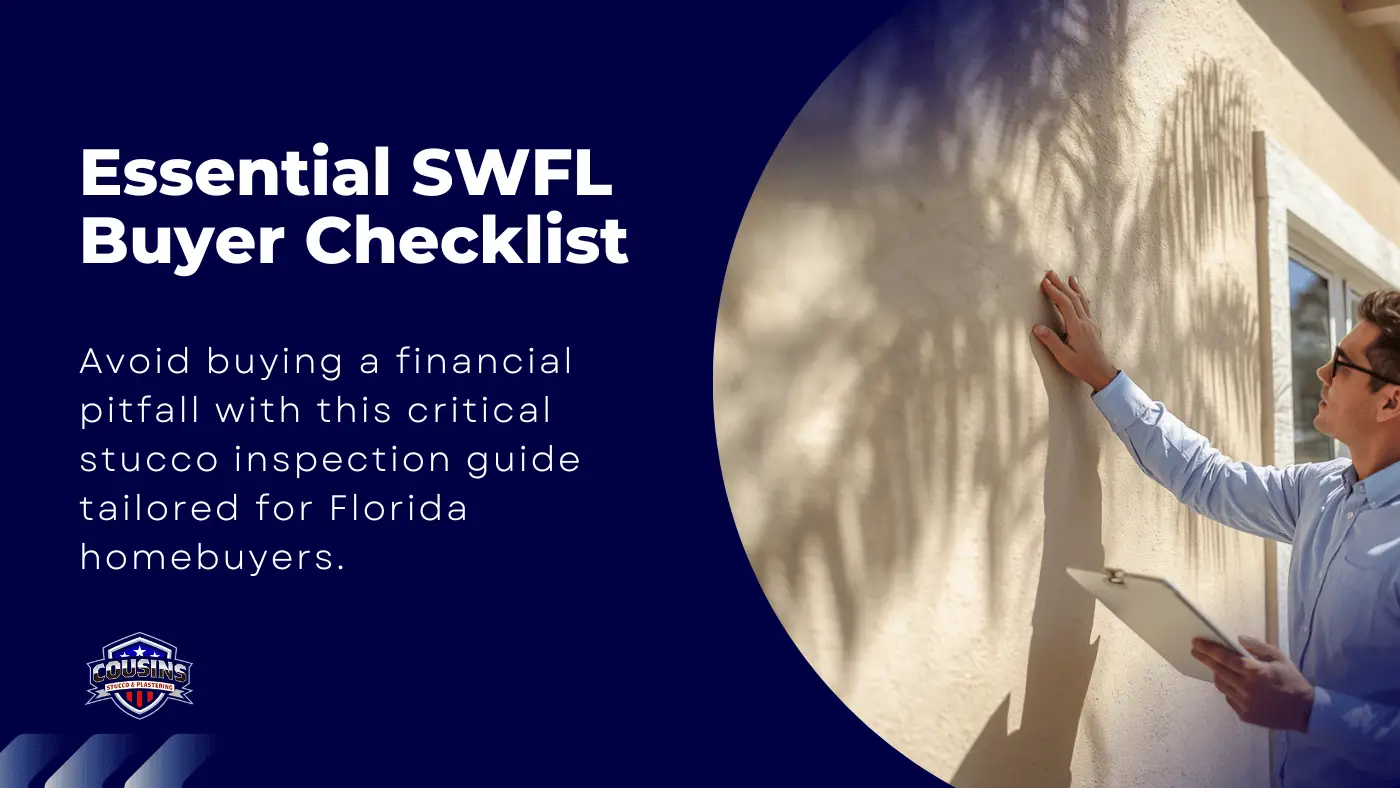
Buying a home in Southwest Florida is a dream for many. The beautiful coastline, warm weather, and stunning architecture make regions like Naples, Fort Myers, and Cape Coral highly desirable. Many of these gorgeous homes feature stucco exteriors, a popular choice for its classic look and durability.
However, the unique climate of Southwest Florida poses specific challenges for this building material. High humidity, intense sunshine, and heavy seasonal rains can expose installation flaws, leading to hidden, costly property damage.
Before you sign the closing papers on your dream property, you need a solid plan. A comprehensive stucco inspection checklist is your best defense against unexpected moisture issues and expensive structural remediation.
Why Southwest Florida Homes Need Special Attention
The SWFL climate is unforgiving to poorly installed exterior finishes. Stucco is a porous, cement-based material. It naturally breathes, absorbing and releasing moisture.
Problems arise when water gets trapped behind the surface layer. In tropical climates, trapped moisture quickly turns into wood rot, structural decay, and toxic indoor mold.
Many homes built during construction booms suffered from rushed labor or improper sealing. Catching these defects early saves buyers tens of thousands of dollars in future construction repairs.
The Ultimate Stucco Inspection Checklist for Homebuyers
When touring a potential property, keep your eyes open for these specific warning signs. This practical stucco inspection checklist will help you identify major red flags before making an official offer.
1. Cracks in the Surface
- Small hairline cracks under one-sixteenth of an inch are generally normal, resulting from natural house settling.
- Large, deep, or spiderwebbing cracks are serious warnings that indicate structural movement or improper mixing.
- Vertical cracks often point to framing movement behind the wall.
2. Discoloration, Staining, and Efflorescence
- Dark streaks below window corners or rooflines indicate improper water shedding and poor drainage.
- White, powdery residue on the surface is efflorescence, which occurs when water carries internal salt minerals outward.
- Persistent damp spots that never seem to dry out mean water is actively trapped inside the wall system.
3. Missing or Damaged Flashing
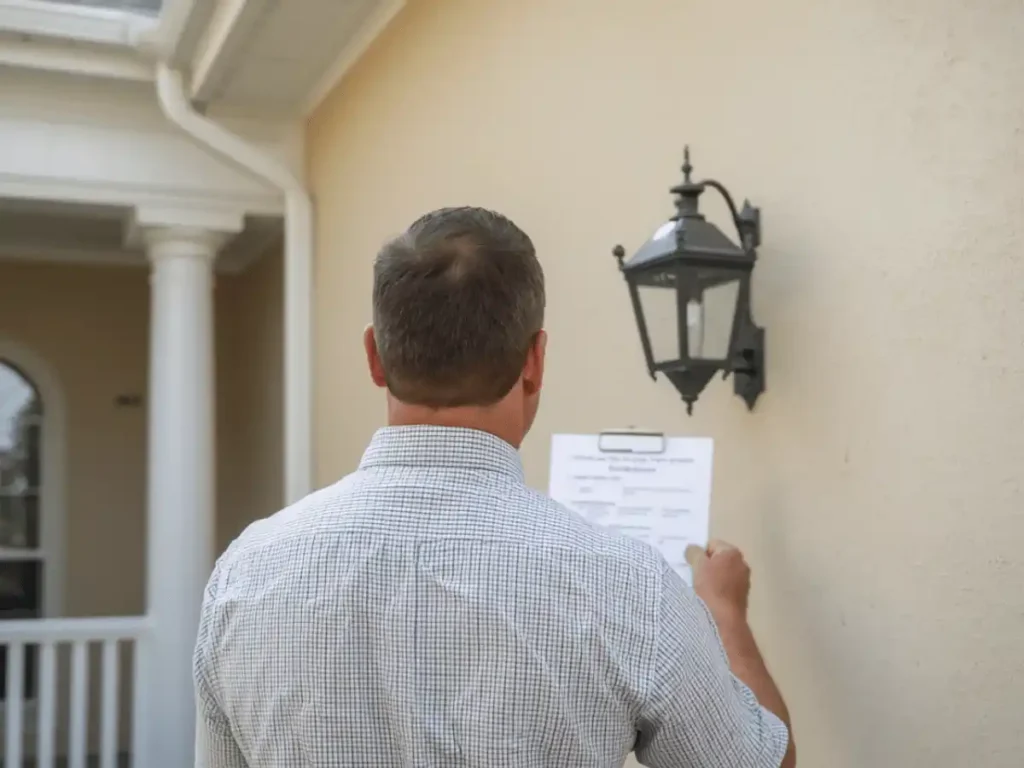
- Kickout flashing must be installed where rooflines meet vertical walls to direct rushing rainwater into gutters.
- Window flashing must be completely watertight to prevent rain from bypassing the exterior seal.
- Missing metal tracks at the bottom of walls block the exit path for internal moisture.
4. Ground Clearance Issues
- The exterior finish must never extend below the soil line or touch garden mulch.
- Exception: Traditional cement-based stucco may extend 4 to 6 inches below grade when applied over concrete masonry foundations, provided proper waterproofing layers are present.
- A minimum clearance of two inches above concrete patios is required to prevent water from wicking upward.
- For EIFS (Exterior Insulation and Finish System) installations, a six-inch clearance above raw earth is strictly required to prevent ground moisture from rotting the base of the walls.
5. Soft Spots or Bulging
- Gently press on areas below windows or near the foundation line to check for structural integrity.
- Soft, spongy, or flexing walls indicate that the wood sheathing underneath has already rotted away.
- Outward bulges mean the metal lath has rusted loose from the framing studs.
Specialized Evaluation Methods Every Buyer Should Know
A standard visual walkthrough provides excellent baseline clues, but surface evaluations cannot uncover deep structural issues. True property protection requires understanding advanced diagnostic paths that specialized evaluators deploy.

The Role of Physical Substrate Assessments
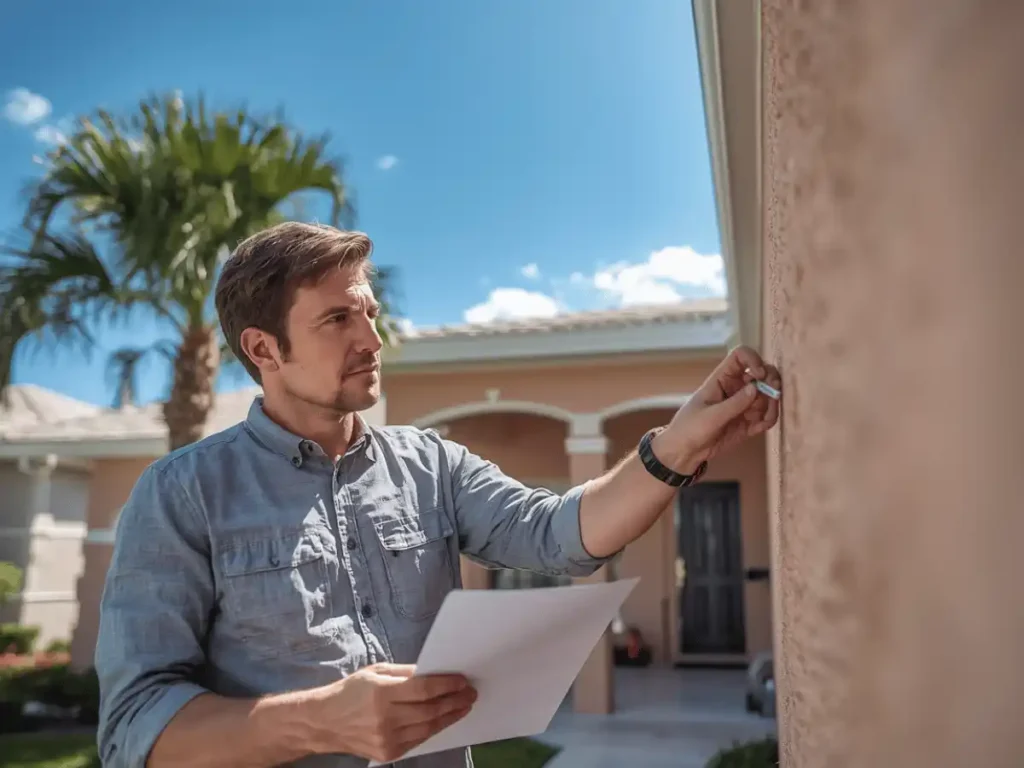
Experienced inspectors evaluate wall density by performing specialized physical tests. This can include precise localized tapping to identify hollow internal air pockets where the plaster layer has detached from the inner wood or block framing.
When serious warning signs exist, advanced evaluation companies can perform targeted micro-drilling. By inserting professional measurement tools through tiny, discrete pilot entry points, technicians directly measure substrate core integrity and verify whether internal wood framing remains dry and sound.
What to Do If You Discover Problems
Finding flaws on your stucco inspection checklist does not mean you have to walk away from the property entirely. Instead, use this vital information to protect your financial interests during negotiations.
Request a Repair Credit
Get an accurate, detailed repair estimate from a licensed exterior contractor. Ask the home seller to credit that exact amount toward your closing costs so you can control the quality of the repairs after closing.
Require Professional Remediation Before Closing
If you prefer the seller handles the repairs, stipulate that the work must be completed by a licensed, specialized professional. Avoid general handymen who might simply apply a temporary cosmetic fix over a deep structural issue.
Adjust Your Initial Offer
Use the documented inspection findings to justify a lower purchase price, ensuring you keep enough cash in reserve to handle future remediation work.
Frequently Asked Questions
Can you fix cracked stucco yourself?
Homeowners can patch minor hairline cracks with high-quality exterior acrylic caulk. However, large, deep, or widespread cracks indicate systemic installation failures or structural shifting that require professional evaluation and commercial-grade repairs.
How long does a typical exterior finish last in Florida?
A properly installed and well-maintained exterior system can easily last over fifty years. To achieve this lifespan in the harsh Florida climate, the surface must be sealed with premium elastomeric paint every seven to ten years and kept clear of ground soil.
What is a weep screed and why is it important?
A weep screed is a perforated metal or plastic building track installed at the very bottom of a framed wall. It provides a dedicated exit path for any moisture that seeps behind the exterior layer, preventing water from pooling and rotting the lower framing.
Will a standard home inspection catch hidden water damage?
Standard home inspections rely almost exclusively on basic visual observations. General inspectors do not perform advanced moisture probing or thermal imaging, meaning they frequently miss severe, hidden water damage hidden deep inside the walls.
Is efflorescence a dangerous structural problem?
The white powder itself is harmless mineral salt, but its presence is a clear warning sign. Efflorescence proves that water is actively traveling through the wall material, indicating a moisture management issue that needs to be addressed.
Conclusion
Your home is one of the largest financial investments you will ever make. Do not let the excitement of buying a beautiful Southwest Florida property blind you to hidden construction defects. Using a detailed stucco inspection checklist gives you the clarity, confidence, and leverage you need to make a smart, safe purchase.