Southwest Florida offers a stunning tropical lifestyle, but the local climate presents relentless challenges for exterior building materials. Property owners often marvel at the crisp, clean aesthetic of a freshly plastered home without realizing the intense science happening beneath the surface. The unique combination of intense SWFL heat and high humidity affect stucco curing and performance in ways that amateur handymen completely overlook. At Cousins Stucco, we offer precision plastering services engineered to withstand these extreme tropical conditions. When temperature and moisture levels fluctuate wildly, the chemical bonding process of cementitious mixtures changes instantly. Understanding how SWFL heat and high humidity affect stucco curing is crucial for ensuring a long lasting, hurricane resistant exterior.
Partnering with specialized professionals who respect local climate challenges is the only way to safeguard your real estate investment.
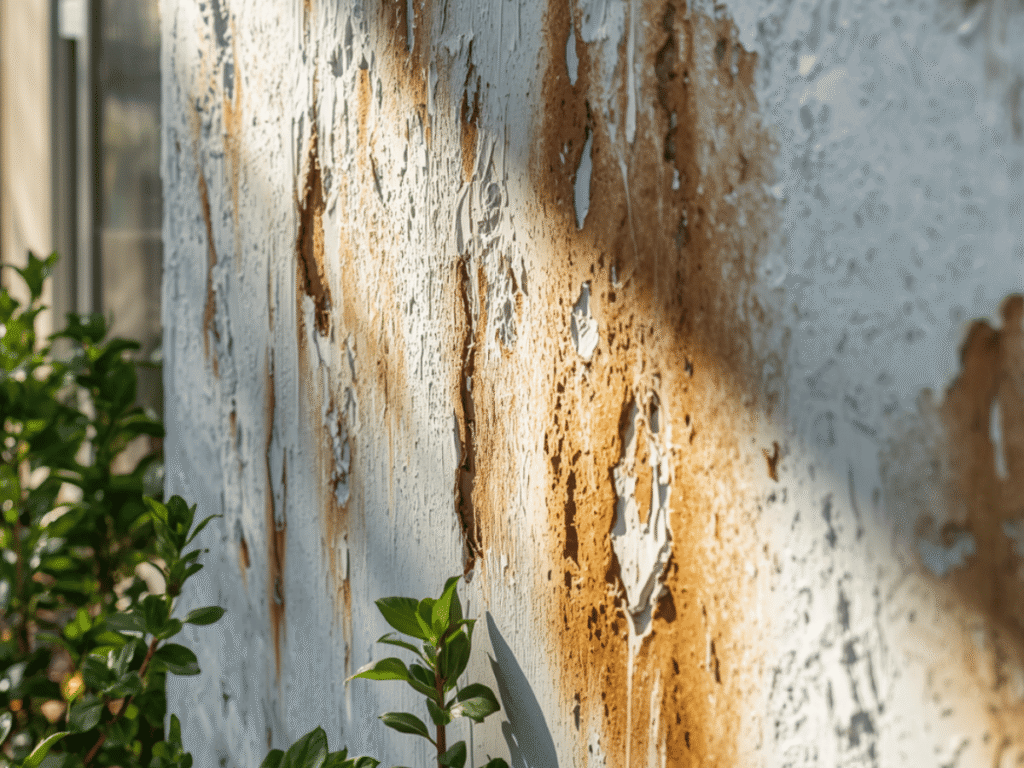
The Chemistry of Curing Under the Florida Sun
Stucco does not simply dry out to become hard; it undergoes a complex chemical process called hydration. This reaction requires a precise balance of water and cement to form a durable, stone like crystalline structure.
- Rapid water loss: Blistering afternoon heat evaporates necessary water from the mix before the chemical hydration process can finish.
- Brittle finish coats: Rushed evaporation leaves the outer shell weak, porous, and highly susceptible to premature crumbling.
- Thermal shock: Cool morning downpours hitting a hot, sun baked wall cause rapid temperature drops that fracture the curing material.
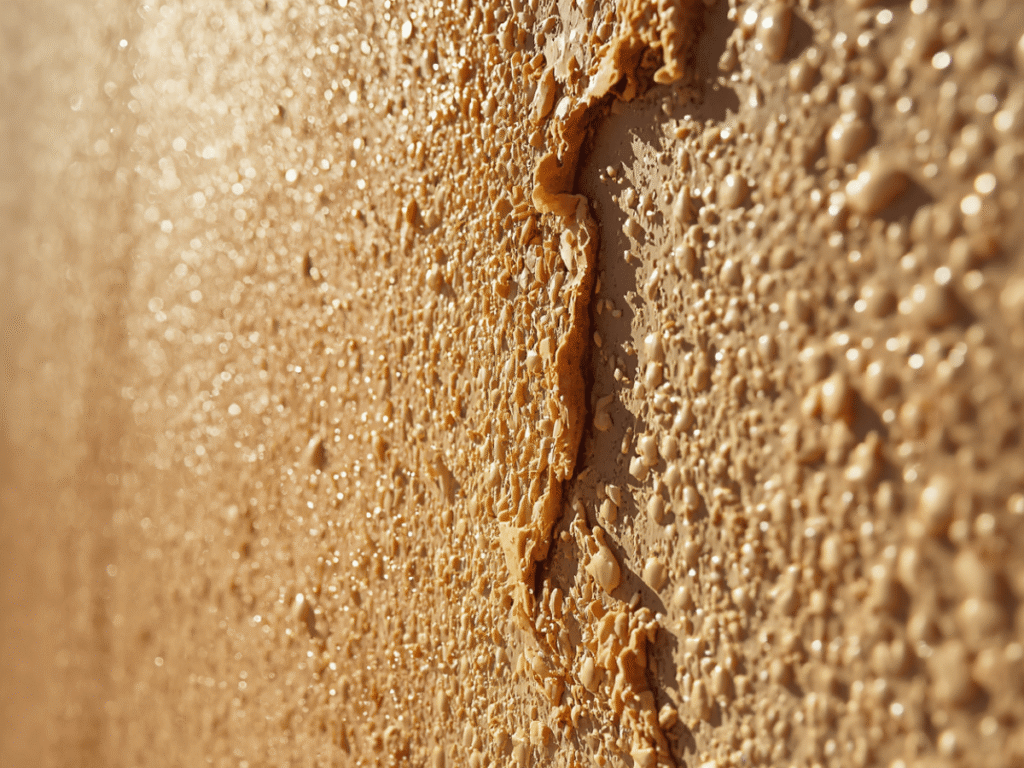
The Double Edged Sword of High Humidity
While intense heat robs the mixture of needed moisture, the dense coastal humidity introduces an entirely different set of structural obstacles.
- Extended drying times: Excessive moisture in the air prevents the scratch and brown coats from releasing water at a normal pace.
- Trapped vapor issues: Applying a final finish coat or paint barrier over a damp base traps moisture inside the wall cavity permanently.
- Bonding failures: High ambient humidity can prevent subsequent layers of plaster from adhering securely to the initial scratch coats.
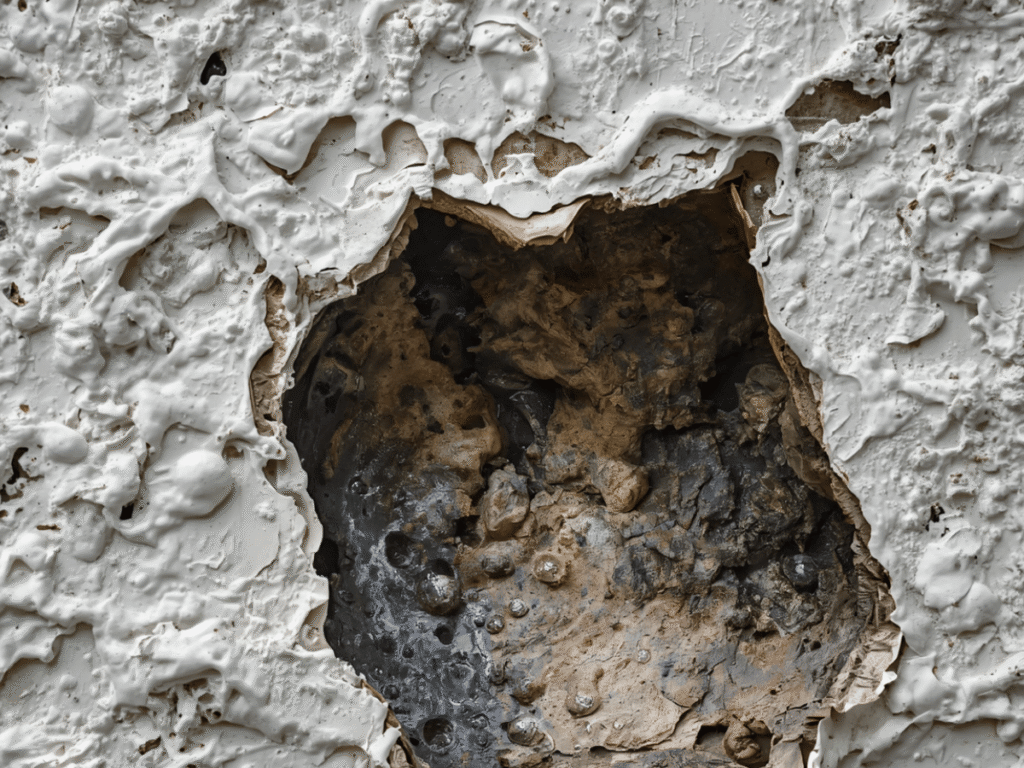
Long Term Performance Challenges in Coastal Climates
Once the material cures, the environmental battle does not stop. The daily weather patterns of Southwest Florida continue to test the exterior skin of your property for decades.
- Constant expansion and contraction: Extreme daily shifts between hot daylight and cooler nights force walls to move, triggering micro fractures.
- Mildew and algae growth: The sticky combination of heat and humidity creates a perfect breeding ground for unsightly green algae and black mold.
- Weatherproof transitions: High humidity requires flawless termination line detailing using premium vinyl casing beads and control joints to manage surface stress seamlessly.
Advanced Moisture Management and EIFS Performance
To combat severe humidity, modern synthetic options offer exceptional protection when engineered correctly over concrete block (CMU) structures.
- The proper CMU layout: For block construction, true professionals apply a traditional foundational stucco system first, topped with a high performance EIFS finish.
- Integrated drainage planes: Multi layered synthetic systems drain water efficiently using an integrated drainage track to channel moisture away from the structure safely.
- Stress relief configuration: Incorporating precise vinyl expansion joints and architectural reveals allows both traditional and synthetic systems to flex naturally without cracking under intense thermal pressure.
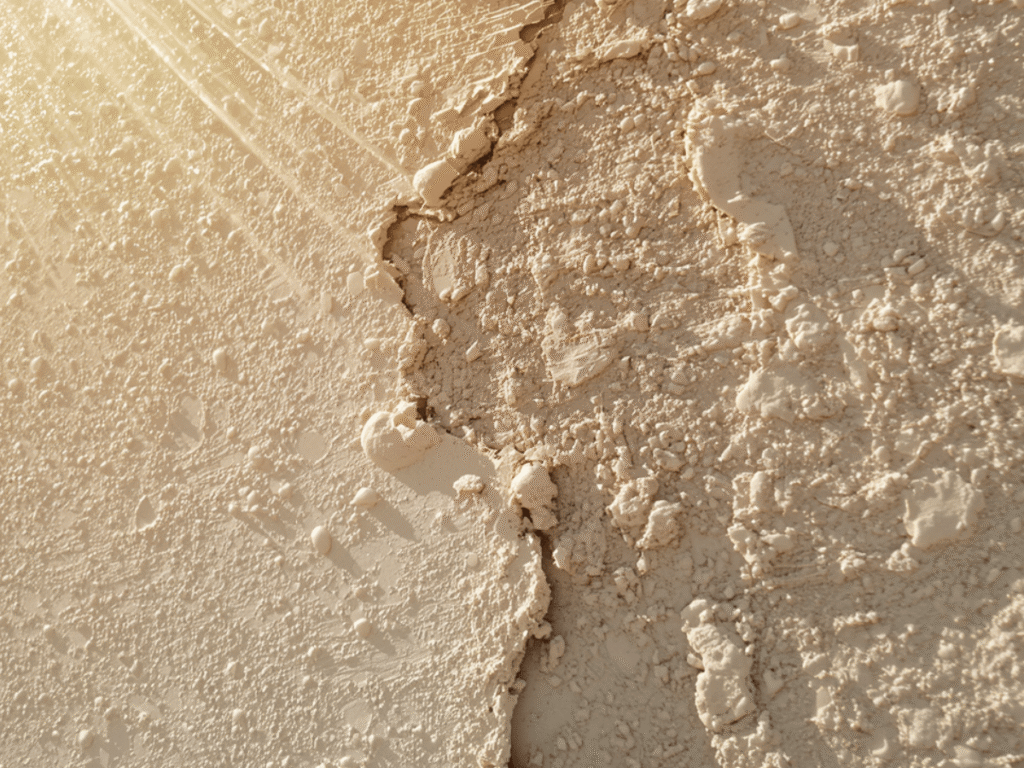
The Danger of Ignoring Weather Guidelines
Hiring an inexperienced crew that ignores local weather parameters always leads to premature exterior breakdown.
- Sloppy aesthetic finishes: Uneven drying rates across a single wall create blotchy, inconsistent color patches and texturing mistakes.
- Delamination disasters: When layers fail to bond due to trapped moisture, massive sheets of plaster can buckle and separate entirely from the building.
- Voided material warranties: Major manufacturing brands will not honor product warranties if the material was applied outside approved temperature and humidity ranges.
Frequently Asked Questions
What is the ideal temperature range for applying stucco in Florida?
The optimum temperature range for a successful application is between fifty and ninety degrees Fahrenheit. When temperatures exceed ninety degrees, the water evaporates too quickly, which completely derails the chemical curing process and ruins structural strength.
How does wet curing help combat intense afternoon heat?
Wet curing involves spraying a fine mist of clean water onto the fresh plaster walls multiple times a day. This process keeps the material hydrated, slows down evaporation, and allows the cement to achieve its maximum potential density.
Why does trapped humidity cause exterior paint to bubble?
If a contractor applies paint or waterproof sealants over plaster that has not fully shed its internal moisture, the sun will heat that trapped water. The water transforms into vapor, expands, and forces the paint film to bubble and peel away.
How long must a new application cure before it can be safely painted?
Traditional Portland cement systems typically require a minimum of twenty eight days to fully cure and balance their pH levels. Painting too early traps moisture and causes the alkaline chemicals in the cement to destroy the paint bond.
How do specialized accessories protect the exterior from cracking?
Crews utilize durable vinyl casing beads and termination beads alongside strategic control joints and reveals. These vinyl accessories absorb the physical movement caused by thermal expansion, preventing cracks from spreading across the wall face.
How can I protect my cured exterior from humidity related mold?
You should have your exterior sealed with high quality elastomeric paint every five to seven years to block moisture absorption. Additionally, scheduling annual low pressure chemical washes removes destructive algae spores before they can root deep into the surface.
Conclusion
Navigating the volatile climate of Southwest Florida requires deep technical expertise and absolute precision. Cutting corners or ignoring weather limitations during the installation process guarantees expensive remediation bills in the future. By partnering with certified plastering specialists who respect the science of hydration, you ensure your property remains beautiful and fully protected. Do not leave your home’s primary line of defense to chance or amateur guesswork. Invest in proven craftsmanship that understands local environmental demands to secure a resilient exterior that easily withstands the test of time.