
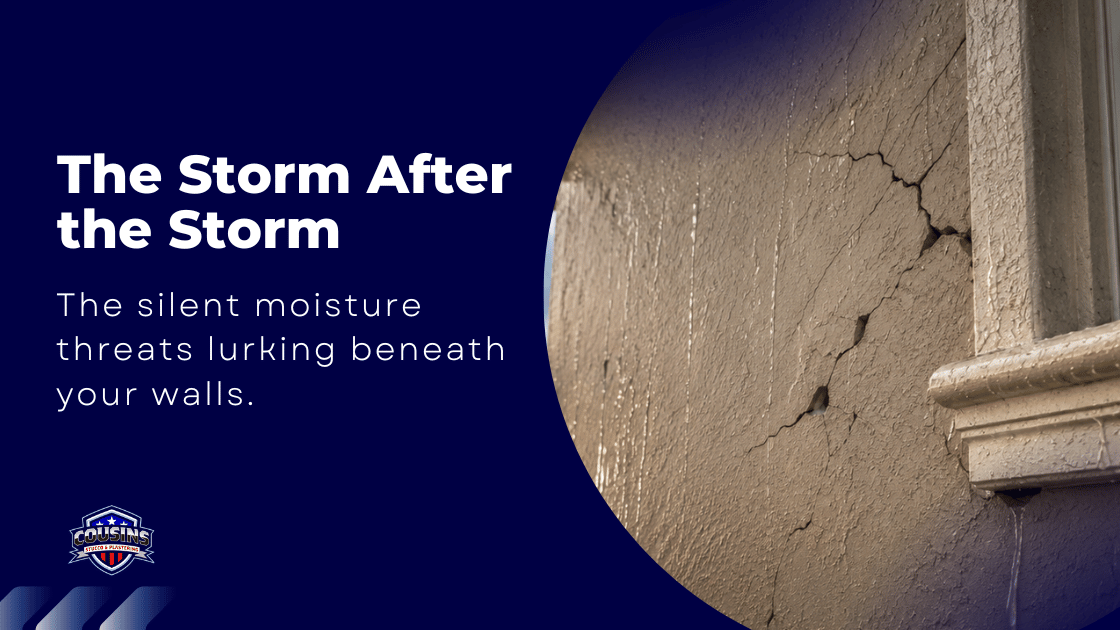
Hurricanes and tropical storms are a reality for property owners throughout Southwest Florida. While broken windows, damaged roofing, and fallen trees are often easy to identify after a storm, exterior stucco systems can also experience damage that may not be immediately visible.
Can hurricane damage cause hidden stucco problems? Yes. High winds, wind-driven rain, and normal building movement during severe weather can contribute to cracks, damaged finishes, deteriorated sealants, and other conditions that should be evaluated after a significant storm.
Understanding what to look for after hurricane season can help property owners identify potential issues before repairs become more extensive.
How Hurricanes Affect Stucco Systems
Traditional stucco and Exterior Insulation and Finish Systems (EIFS) are designed to withstand Southwest Florida’s demanding climate. However, severe storms can place additional stress on exterior wall systems.
Two primary factors contribute to post-storm stucco concerns:
Wind-Driven Rain
Strong winds can force rain against exterior walls for extended periods. If cracks, deteriorated sealants, or other deficiencies are present, moisture may reach areas of the wall assembly where it should not.
Building Movement
During hurricanes, buildings naturally experience movement from sustained wind loads. While stucco systems are designed to accommodate normal movement, severe weather can contribute to localized cracking or other visible changes to the exterior finish.
Signs Your Stucco Should Be Evaluated After a Storm
Not every storm causes stucco damage, but it is a good idea to inspect the exterior after major weather events.
Watch for signs such as:
New Cracks
New or expanding cracks may indicate that the stucco system experienced movement during the storm.
Loose or Hollow-Sounding Stucco
Areas that sound hollow when lightly tapped or appear to separate from the wall should be evaluated by a qualified stucco contractor.
Moisture-Related Staining
Discoloration around windows, doors, control joints, or other transitions may indicate that moisture has reached areas requiring further inspection.
Deteriorated Sealants
Sealants around control joints and other exterior transitions naturally age over time. Storm exposure can accelerate deterioration, making routine inspection important.
Why Prompt Inspections Matter
Small exterior issues may become more extensive if they are left unaddressed.
For example:
Minor Crack → Continued Weather Exposure → Localized Deterioration → Larger Repair Area
Inspecting the stucco system after a hurricane helps identify visible damage early so appropriate repairs can be planned.
Stucco and EIFS Repair Approaches
Repair methods depend on the type of wall assembly and the condition of the existing exterior system.
Traditional Stucco Systems
For buildings with traditional stucco, localized repairs may include removing damaged material where necessary, restoring the affected area using a compatible 3 coat stucco system, and matching the surrounding texture as closely as possible.
EIFS Systems
EIFS systems installed over approved framed wall assemblies incorporate a vertical drainage plane designed to help manage incidental moisture within the system.
If storm damage is identified, repairs are performed based on the condition of the existing EIFS components and manufacturer requirements.
Vinyl Accessories
Where replacement is necessary, compatible vinyl accessories such as casing beads, control joints, termination beads, and reveals may be incorporated into the repair to maintain the integrity of the stucco system.
Protecting Commercial Properties After Hurricane Season
Routine inspections following major storms can help commercial property owners, HOA communities, and facility managers identify developing issues before they require more extensive restoration.
Every property experiences storms differently, so repair recommendations should always be based on the existing conditions of the building rather than assumptions made immediately after a weather event.
Frequently Asked Questions
Can hurricane damage cause hidden stucco problems?
Yes. Wind-driven rain, building movement, and flying debris can contribute to visible or hidden damage within a stucco or EIFS system. An inspection helps determine whether repairs are recommended.
How can I tell if my stucco was damaged during a hurricane?
Look for new cracks, loose or hollow-sounding stucco, damaged sealants, localized staining, or changes in the exterior finish following the storm.
Do you use metal accessories during repairs?
No. Depending on the project, we utilize compatible vinyl accessories such as casing beads, control joints, termination beads, and reveals that are well suited for Southwest Florida’s coastal environment.
Can EIFS be directly over concrete block?
No. EIFS is not installed directly over CMU block. Installation methods depend on the building’s wall assembly and the specific system requirements.
How does EIFS manage moisture?
EIFS systems incorporate a vertical drainage plane that helps manage incidental moisture within the wall assembly when installed as part of an approved system.
Why are control joints important?
Control joints help accommodate normal building movement and reduce stress within large stucco wall areas. Routine inspection and maintenance of these joints are recommended, particularly after significant storm events.
Conclusion
Hurricane damage is not always immediately visible. Even if your property appears unaffected after a major storm, inspecting the exterior stucco system can help identify developing issues before repairs become more extensive.
Cousins Stucco provides residential and commercial stucco and EIFS services throughout Naples, Fort Myers, Bonita Springs, and surrounding Southwest Florida communities. If you’ve noticed new cracks, loose stucco, or other changes following a storm, our team can evaluate the condition of your existing stucco system and recommend an appropriate repair approach based on your property’s needs.