Choosing the structural backbone of your property is the most critical decision you will make when building or renovating in Southwest Florida. The region’s unique weather patterns demand structural materials that handle intense wind loads and high moisture levels seamlessly. For decades, local property owners have debated the merits of wood frame stucco vs. concrete block (CMU). What SWFL homeowners need to know is that while both options offer distinct architectural paths, their structural behaviors under environmental stress are vastly different.
At Cousins Stucco, we offer precision lath and plastering applications tailored to both building styles. Understanding these differences ensures your property remains a safe, energy-efficient fortress against severe seasonal storms. Partnering with specialized installation teams who understand local building codes is essential for maximizing the lifespan of either construction method.
Structural Mechanics of Concrete Block Construction
Concrete Masonry Unit (CMU) construction serves as the gold standard for traditional residential building throughout Lee and Collier counties.
- Exceptional wind resistance: Solid concrete blocks reinforced with steel rebar and poured concrete grout easily withstand high velocity hurricane zone pressures.
- Flawless material compatibility: Traditional cementitious plaster bonds naturally and chemically to a concrete block face, forming a unified, dense barrier.
- Inherent pest defense: Inorganic block materials eliminate the risk of subterranean termite infestations destroying the load bearing walls of your home.
Understanding Advanced EIFS Integration on Blocks
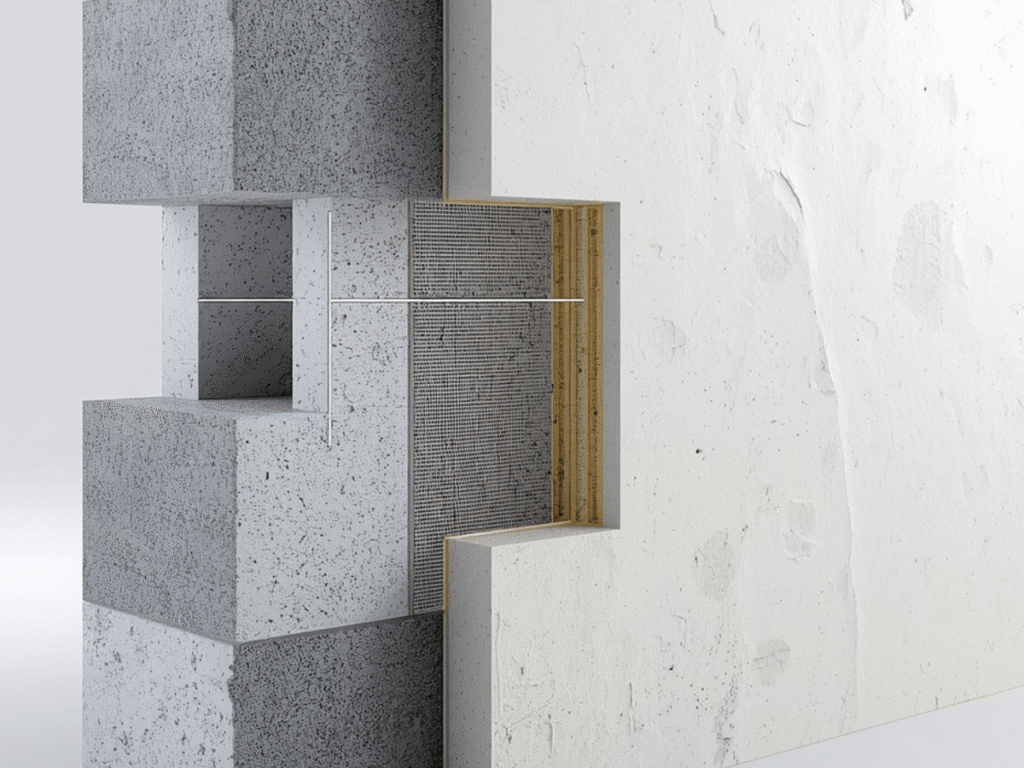
For property owners seeking elite insulation and weather defense, synthetic exterior finishes offer incredible performance when applied properly over block.
- The foundational layer: True professionals apply a traditional foundational stucco system over the raw CMU structure first to ensure a perfectly flat, solid base.
- The EIFS finish upgrade: An Exterior Insulation and Finish System (EIFS) top coat is applied over the foundation to introduce a flexible, highly crack resistant exterior skin.
- Integrated drainage tracks: This multi layered combination utilizes an integrated water-resistive drainage plane to safely channel away incidental moisture before it can penetrate the home.
Realities of Structural Stress Management
Both traditional plaster systems and advanced synthetic coatings require specialized movement accessories to manage the intense thermal expansion caused by the Florida sun.
- Vinyl trim requirements: Modern exterior systems rely strictly on high grade vinyl casing beads and termination beads to eliminate rust vulnerabilities completely.
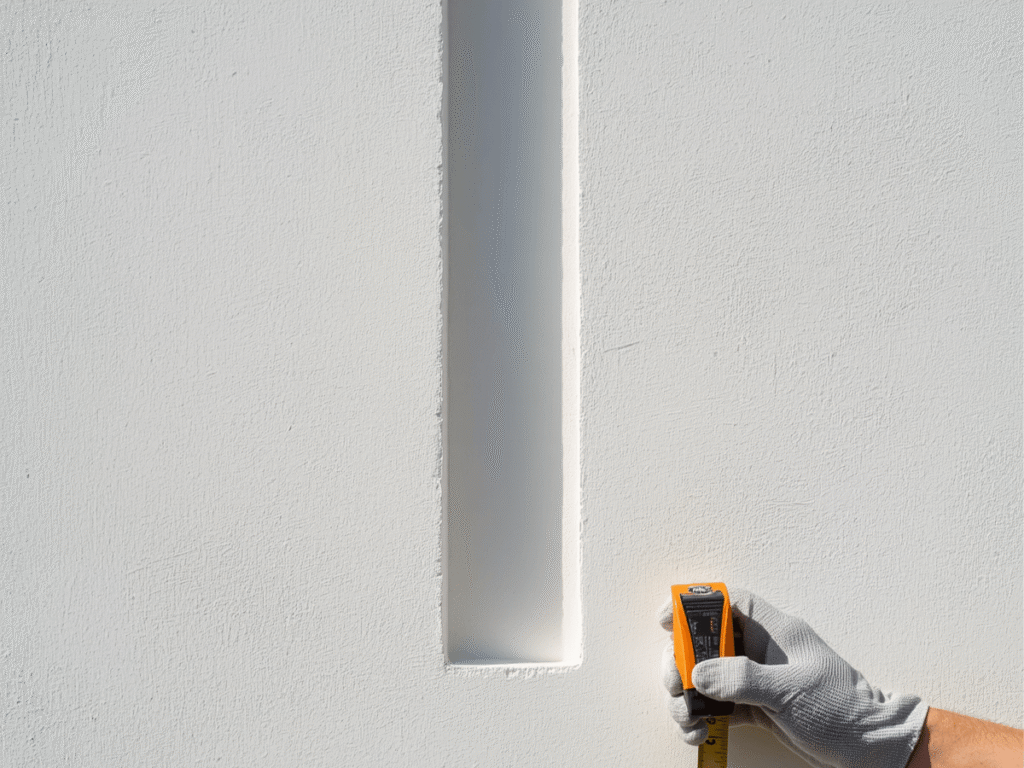
- Strategic joint placement: Installing premium vinyl control joints breaks large wall expanses into smaller sections, allowing the exterior to expand safely without cracking.
- Architectural reveals: Incorporating deep reveals provides both crisp, modern aesthetic design lines and essential surface stress relief across the property face.
Energy Efficiency and Thermal Mass Comparisons
The choice between a block core and alternative architectural styles directly impacts your monthly climate control expenses.
- The thermal mass advantage: Concrete blocks absorb the intense afternoon heat slowly, delaying the transfer of high temperatures into your living space.
- Continuous insulation benefits: Combining a block foundation system with a synthetic EIFS finish creates an unbroken thermal blanket that minimizes energy loss.
- Reduced AC workload: Proper thermal management keeps indoor temperatures stable, preventing your air conditioning equipment from overworking during summer peaks.
Long Term Maintenance and Property Value
Your structural framework directly influences your future upkeep budgets, insurance premiums, and resale opportunities in the local real estate market.
- Lower insurance premiums: Windstorm insurance providers offer significantly lower rates for properties built with solid, reinforced concrete masonry cores.
- Simple repair paths: Addressing minor surface blemishes or texture blending on a block structure is straightforward and highly effective.
- Sustained market demand: Future buyers in Southwest Florida prioritize the structural peace of mind that comes with proven concrete block construction.
Frequently Asked Questions
Why do local builders favor concrete block over alternative framing methods?
Concrete block offers unmatched structural resistance against the devastating wind pressures of tropical storms and hurricanes. The material is completely fire resistant, suppresses outdoor noise beautifully, and will never rot when exposed to coastal humidity.
Is EIFS applied directly to raw concrete block structures?
No, true professional plastering teams never apply synthetic EIFS finishes directly to raw masonry surfaces. The building must receive a traditional foundational stucco system first to create a stable, uniform surface before the EIFS components are installed.
Why are vinyl accessories preferred over traditional metal trim pieces?
Traditional metal or zinc accessories oxidize rapidly when exposed to humid, salty coastal air. As metal trim rusts, it expands up to ten times its original size, fracturing the surrounding plaster and causing severe structural deterioration.
What role do termination beads play in a complete wall assembly?
Vinyl termination beads and casing beads establish clean, waterproof boundaries where the exterior system ends. These accessories seal critical transition zones around windows, doors, and foundation lines to keep moisture from slipping behind the plaster coating.
How often should a concrete block home be sealed and painted?
To maintain maximum moisture protection, property owners should apply high quality elastomeric paint coatings every five to seven years. Elastomeric finishes bridge minor micro fractures and flex naturally with your home during intense daily temperature shifts.
Do synthetic exterior systems drain water effectively on Florida homes?
Yes, modern EIFS configurations are fully engineered drainage systems. They incorporate an integrated water-resistive drainage plane and a dedicated drainage track that allows any moisture behind the finish coat to escape safely away from the building core.
Conclusion
Building or updating a home in Southwest Florida requires an uncompromising commitment to structural integrity. Choosing a robust concrete block core paired with advanced vinyl accessories and engineered drainage finishes guarantees long term security. Avoid the temptation of cheap shortcuts, and rely on certified installation specialists who treat exterior weatherproofing as a precise structural science. Protect your family, secure your budget, and elevate your property value by investing in premium exterior systems designed to endure for generations.